The Greatest Rescue Mission: A Story of Lost Kingdom Citizenship and Restored Royalty
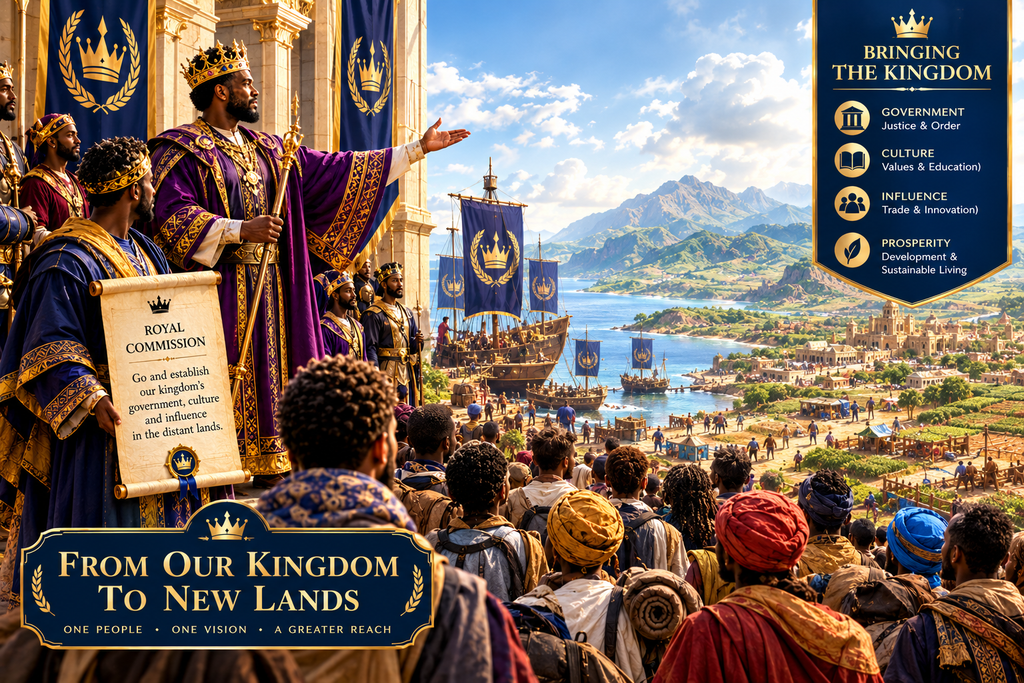
Once upon a time, there lived an ancient and benevolent King who desired to extend the influence of his kingdom to a distant territory through colonization. To accomplish this, he handpicked a group of his citizens and commissioned them to carry the nature, culture, language, prosperity, values, and influence of his kingdom into that foreign land.
The King’s vision was bold and unmistakable: to establish an exact replica of his kingdom in the new territory, with its government, culture, values, and way of life faithfully reproduced. To this end, he dispatched his chosen citizens with the royal seal, the authority of his throne, and a clear mandate to colonize the territory on his behalf.

Upon arriving in the foreign land, the citizens settled and began establishing the colony in accordance with the King’s mandate. Their assignment was to represent their sovereign, reproduce his kingdom’s culture, and extend his influence until the distant territory reflected the glory of their homeland.
But one ominous day, an enemy king, disguised as a friend, paid the citizens a visit. He came bearing what appeared to be a generous gift: a magnificent Trojan Horse. Hidden within it, however, were everything the benevolent King despised and everything contrary to the nature, values, and government of his kingdom.
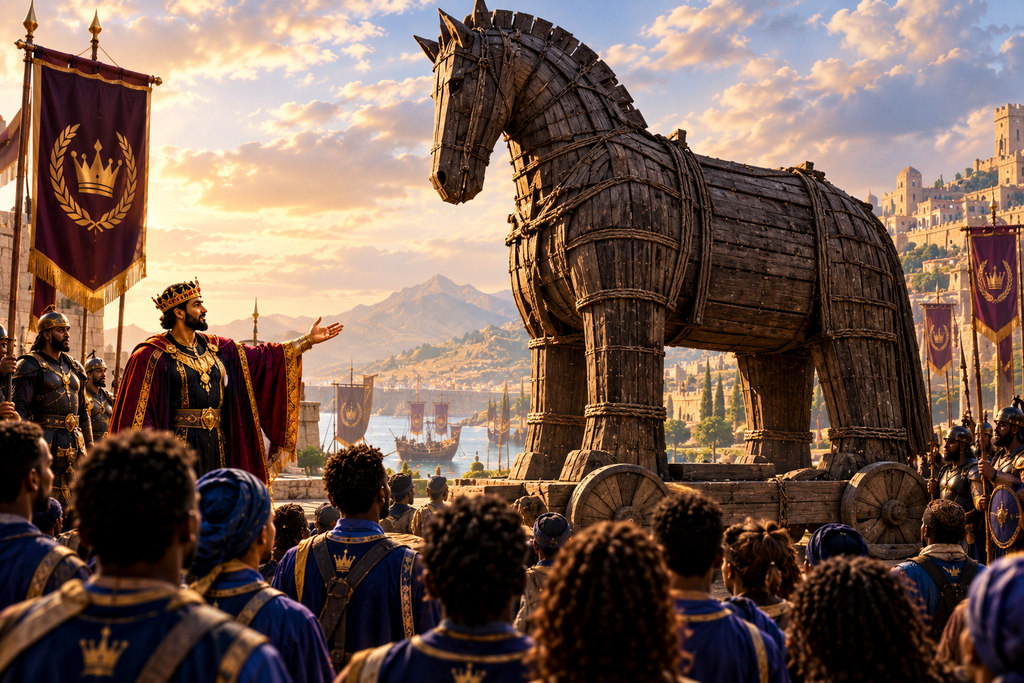
Blinded by the apparent generosity of their visitor and deceived by his subtle cunning, the citizens accepted the gift. After the enemy king departed, they eagerly gathered to unveil their prized possession. But what began as a moment of excitement soon turned into a devastating discovery. Inside the horse lay the seeds of rebellion, corruption, and estrangement from their sovereign.
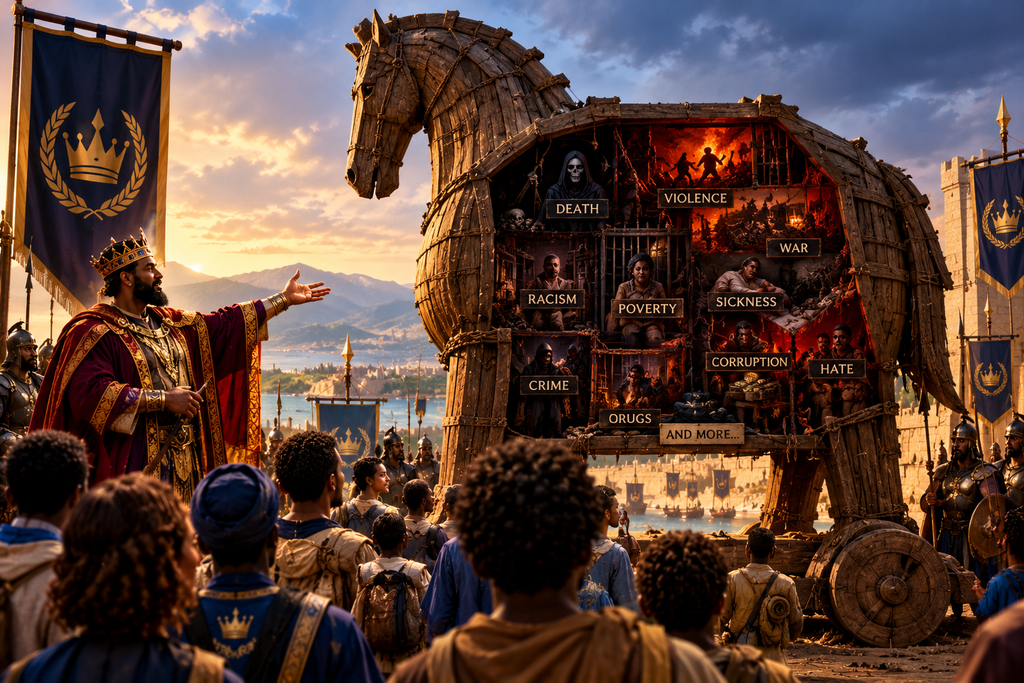
By accepting the enemy’s gift, the citizens surrendered their allegiance to their rightful King and declared independence from their homeland. Their act of disobedience severed their relationship with the throne and compromised the very purpose for which they had been sent.
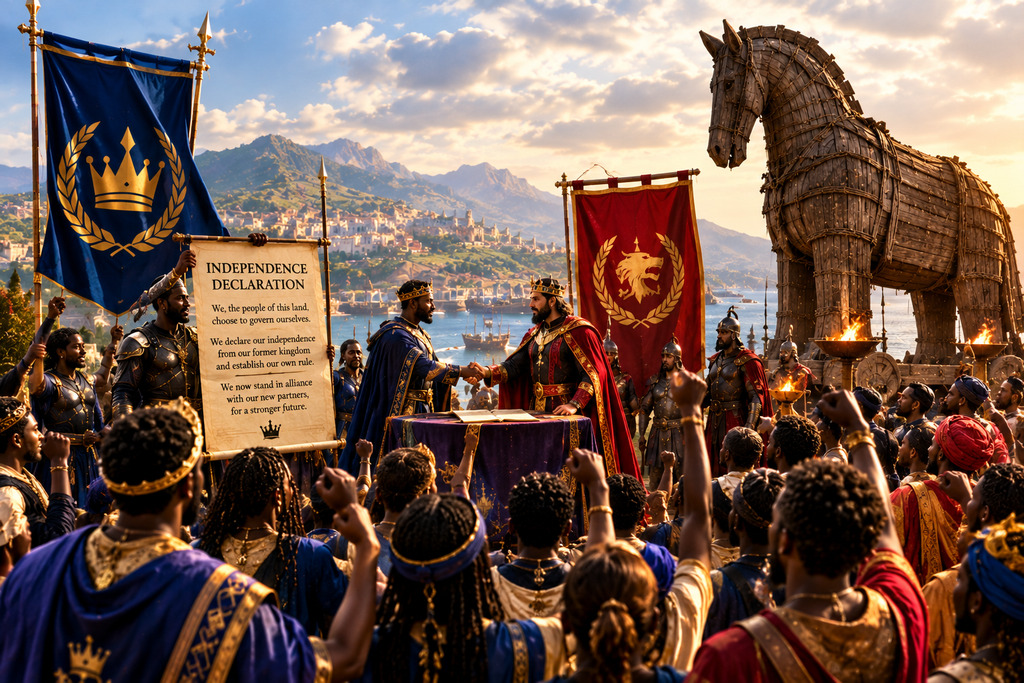
The colony was subsequently brought under the unlawful dominion of the enemy king, who usurped authority over the territory and subjected its inhabitants to the most degrading forms of slavery. Those who had once enjoyed the privileges of royal citizenship became captives in a foreign kingdom, stripped of their freedom, dignity, and rightful inheritance.
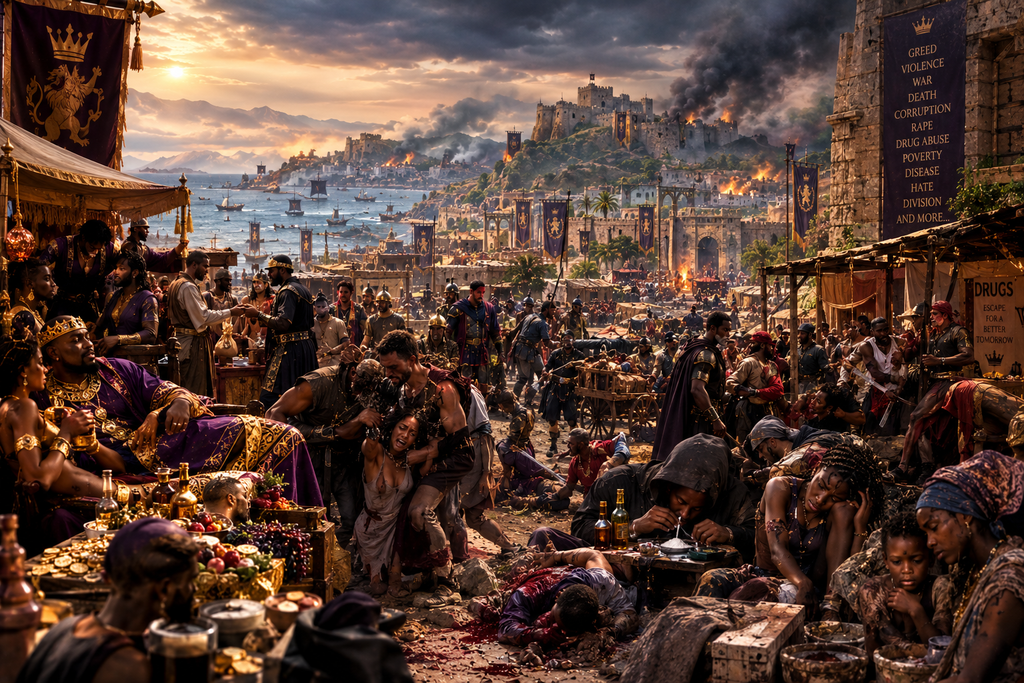
Consumed by pain, suffering, and despair, the estranged citizens began searching for a way back to their homeland. They longed to reconnect with their sovereign and recover the citizenship and privileges they had lost. Some attempted to bridge the divide by setting up different kinds of governance systems while others retorted to organized sects offering sacrifices, practicing weekly rituals, and other religious rites. Yet, despite their relentless efforts, the feeling of emptiness continues to grow and the gulf between them and their homeland remained. The harder they tried to find their way back through their own devices, the more elusive their restoration seemed.
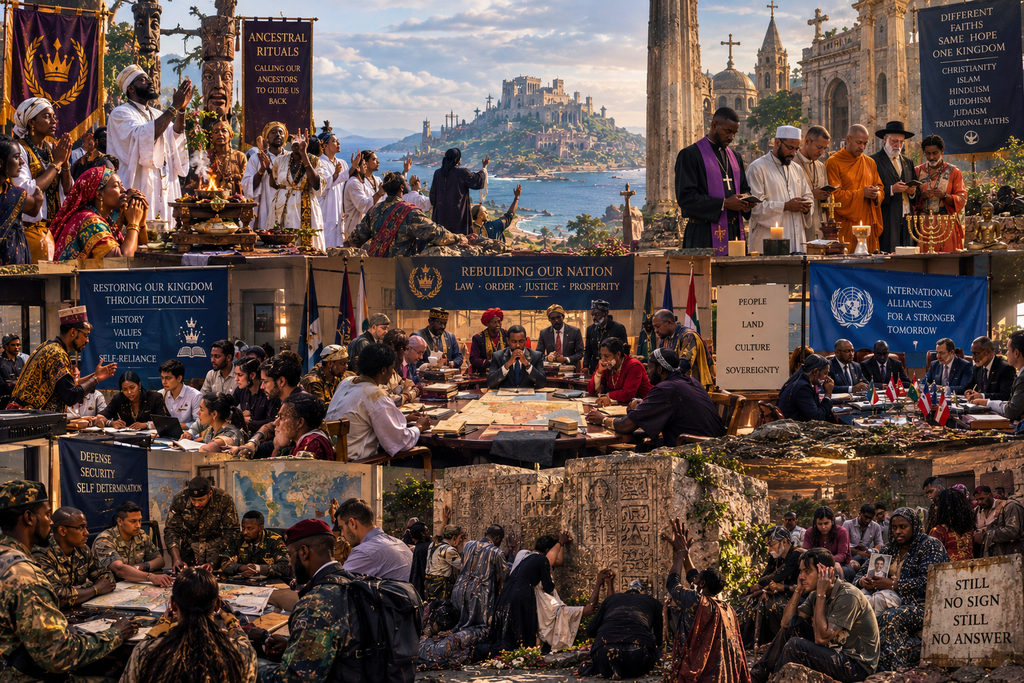
Generations passed. Millennia came and went.
Then, moved by an immeasurable love for his estranged citizens, the benevolent King resolved to launch a rescue mission to reclaim his lost people and restore them to their rightful place in his kingdom.
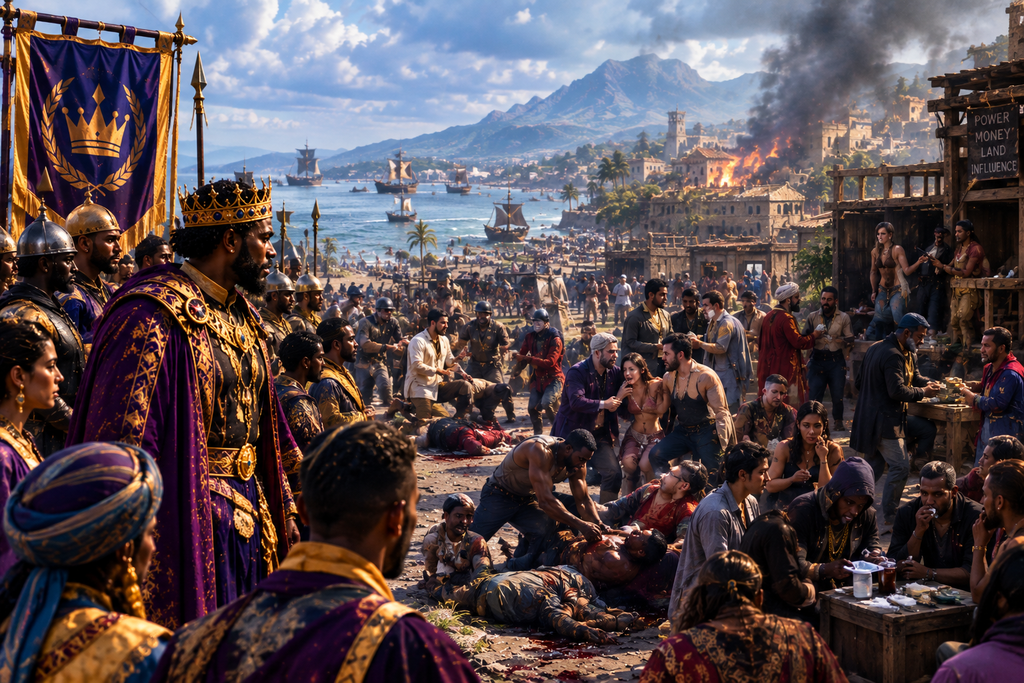
But their liberation came at a staggering cost.
The enemy king demanded an enormous ransom for their release. His price was nothing less than the most precious thing to the King: His very own life!
Faced with this dreadful demand, the King was confronted with the ultimate expression of sacrificial love. Yet, rather than abandon his people to perpetual bondage, he chose to pay the price himself by sacrificing himself. And so, driven by an unfathomable love for his suffering citizens, the King surrendered his firstborn Son to secure their redemption.
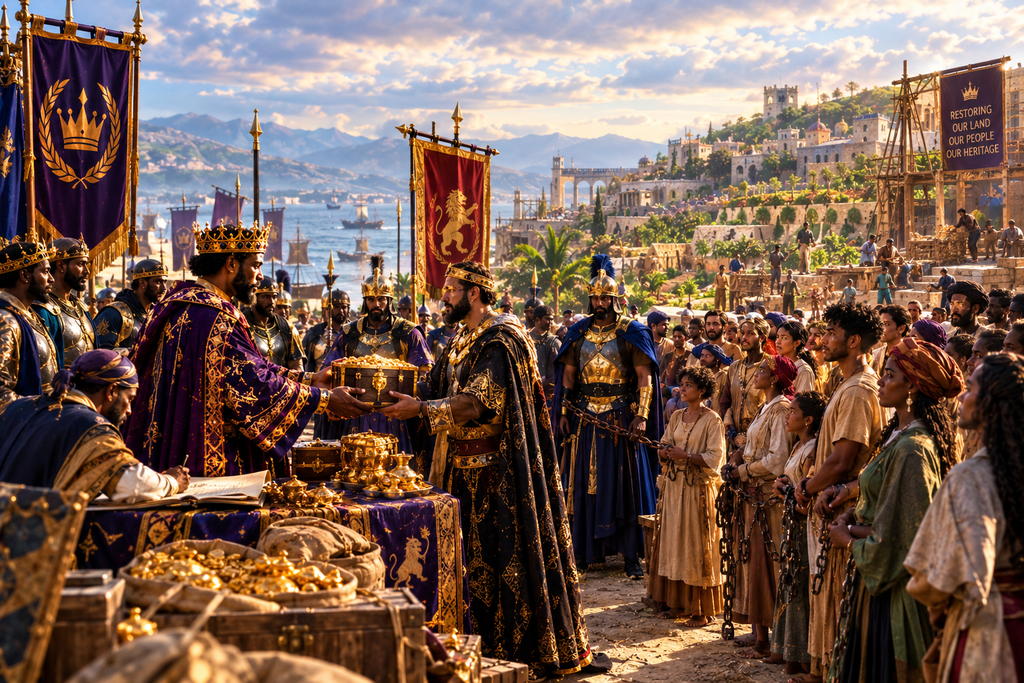
The ransom was paid. The price of redemption was settled. The way home was reopened!
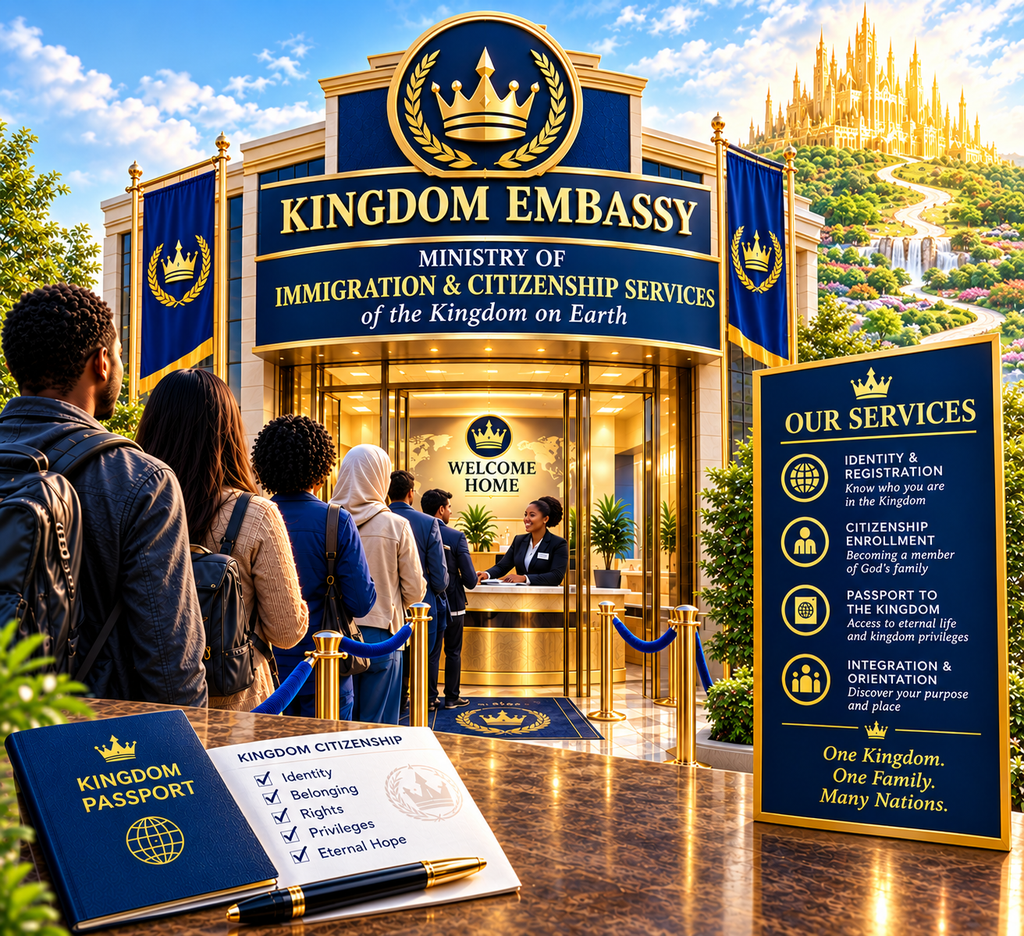
Those who had once been citizens of the kingdom but had lost their standing could now be reconciled to their sovereign and restored to their rightful citizenship. With their status restored, they could once again receive the authority and commission to fulfil the original colonization mandate—to extend the influence of their King and establish the culture of his kingdom in foreign territory.
But there was a crucial next step.
Although their citizenship could be restored, their minds had been shaped by generations of captivity under a foreign king. They had become accustomed to the enemy’s culture, values, systems, and ways of thinking. Their freedom demanded more than a change of status; it required a transformation of identity and perspective.

They had to be mentally transformed to rediscover who they truly were, retrained to understand the privileges and responsibilities of their royal citizenship, and equipped to resume their original assignment.
For the King had not rescued them merely to free them from slavery. He had redeemed them to restore their identity, recover their inheritance, and recommission them for the very purpose for which they were originally chosen.

Their redemption was not the end of the story. It was the beginning of their return to royalty—and the resumption of their original kingdom colonization mandate!